
Understanding and Managing Urinary Incontinence

Urinary Incontinence Causes & Treatment Options
Symptoms
Urinary incontinence is the unintentional leakage of urine and can range from occasional drips to more frequent bladder control problems. Many women leak when coughing, sneezing, laughing, exercising, or lifting, while others experience a sudden, overwhelming urge to urinate and cannot reach the bathroom in time. Frequent urination, nighttime trips to the bathroom, or leakage that disrupts daily activities are also common symptoms.
Causes
Urinary incontinence often develops when the pelvic floor muscles, bladder, or surrounding tissues become weakened or less supportive. Pregnancy, childbirth, menopause, aging, excess weight, chronic coughing, constipation, and pelvic organ prolapse are common contributors. Some women also develop leakage because of an overactive bladder, certain medications, or neurologic conditions that affect normal bladder control.
Treatment Options
Treatment depends on the type and cause of urinary incontinence, but most women can find significant relief. Conservative options include bladder training, pelvic floor exercises, lifestyle changes, and avoiding bladder irritants. Additional treatments may include pelvic floor physical therapy, vaginal estrogen, medications, supportive devices, or advanced procedures such as Botox injections, nerve stimulation, urethral bulking, or surgery when appropriate.
Urinary Incontinence in Women: From Postpartum to Post Menopause
Has your life been affected by bladder leaks or sudden urges to urinate? Have you memorized restroom locations during everyday outings, or do worries about urgency keep you from enjoying activities you love? Nore Women’s Health can help.
Urinary incontinence (UI) is the involuntary loss of urine, or loss of bladder control. It is common, treatable, and can occur at many stages of life including after childbirth and during the menopause transition. You do not have to accept these symptoms as an inevitable part of aging or motherhood. A Nore Women’s Health provider can help identify what may be contributing to your symptoms and create a personalized treatment plan.
What is Urinary Incontinence?
Urinary incontinence is a symptom rather than a disease itself. It can be related to changes in the pelvic floor, bladder function, hormones, nerves, medications, or other health conditions.
Women may experience urine leakage with activities such as coughing, laughing, exercising, or lifting; a sudden, hard-to-control urge to urinate; or a combination of both. Common forms include stress incontinence, urge incontinence, often associated with overactive bladder (OAB), and mixed incontinence. Lower estrogen levels during menopause can affect bladder and pelvic-floor function and may contribute to stress incontinence, urge incontinence, or mixed incontinence.
Types of Urinary Incontinence
Urinary incontinence is not a single condition. Different types can have distinct symptom patterns, contributing factors, and treatment approaches. Understanding when leakage occurs such as during exercise or coughing, with a sudden urge to urinate, through frequent dribbling, or when you cannot reach the bathroom in time can help your Nore Women’s Health provider identify the right next steps for your care.
Postpartum Urinary Incontinence

Leaking urine after childbirth is common, particularly in the weeks and months following a vaginal delivery. As the body heals and the pelvic floor recovers, symptoms may improve; however, some women continue to experience leakage when coughing, laughing, exercising, or lifting.
Postpartum urinary incontinence can feel frustrating or isolating, but effective support and treatment options are available. Understanding the possible causes, risk factors, and duration of symptoms can help you know when it is time to speak with a Nore Women’s Health provider.
Urinary Incontinence in Perimenopause, Menopause, and Beyond
As you move through perimenopause, menopause, and postmenopause, you may notice changes in bladder control, such as leaking when you laugh, cough, or exercise, or experiencing a sudden, urgent need to urinate. Hormonal shifts, including lower estrogen levels, can affect the tissues of the vagina, urethra, bladder, and pelvic floor.
Aging, pregnancy and birth history, certain health conditions, medications, and lifestyle factors can also contribute to urinary incontinence over time. A personalized evaluation can help identify the factors involved and guide the most appropriate treatment options for your needs.

Treatment Options for Urinary Incontinence
Urinary incontinence is highly treatable, and many women experience meaningful improvement when care is matched to the specific type of leakage and its contributing factors. Treatment often begins with conservative, non-surgical options and may include lifestyle changes, pelvic floor support, bladder training, medications, or procedures when appropriate.
Your Nore Women’s Health provider can create a personalized care plan that evolves with your symptoms, preferences, and goals over time.
Prevention and Self-Care Strategies
Not every case of urinary incontinence can be prevented, but simple daily habits can help support bladder health and pelvic floor function. These strategies may be especially helpful during the postpartum years and throughout perimenopause and menopause, when bladder changes are more common.
Small adjustments to hydration, bathroom habits, physical activity, and pelvic floor care may help reduce symptoms and support long-term bladder health.
Breaking the Silence: Getting Support for Urinary Incontinence
Urinary incontinence is common, yet many women still feel embarrassed or ashamed to discuss it, even with a healthcare provider. Bladder leakage is a medical symptom, not a personal failing, and support is available. Speaking with a qualified provider can help you understand your symptoms, identify possible contributing factors, and explore treatment options that fit your needs.
At Nore Women’s Health, we’re dedicated to providing compassionate, individualized care for women experiencing urinary incontinence and other bladder concerns. Our expert team understands how leakage, urgency, and frequent trips to the bathroom can affect comfort, confidence, and quality of life.
We offer a comprehensive evaluation to better understand your symptoms and identify treatment options tailored to your needs. Whether urinary changes began after childbirth, during perimenopause or menopause, or at another stage of life, we work closely with you to create a personalized plan that supports your bladder health and overall well-being.
Take the next step toward feeling more comfortable and in control. Contact Nore Women’s Health by phone or request an appointment to schedule a consultation and begin your path to balanced wellness.
Questions About Menopause Treatment
Care That's Close to Home
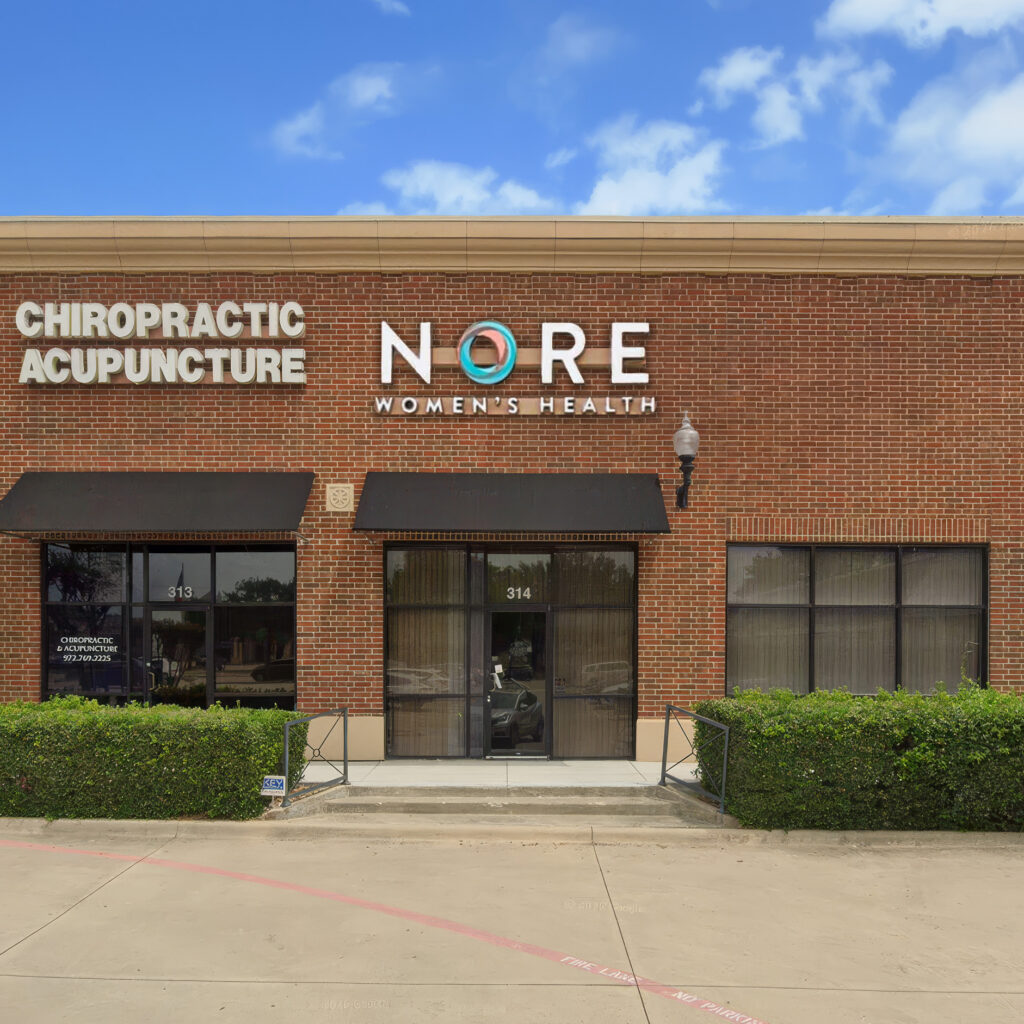
We offer in-person menopause care at multiple locations across North Metro Atlanta and Dallas, Texas. Each clinic provides the same personalized, evidence-based approach so you can choose the location that’s most convenient for you.


East Cobb, GA
Woodlawn Commons
Medical Center
1121 Johnson Ferry Rd
Suite 340
Marietta, GA 30068



Dunwoody, GA
Dunwoody Village Shopping Center
5471 Chamblee Dunwoody Rd
Dunwoody, GA 30338
Now Open!
We're here to help
We're a different kind of medical practice. We take the time to listen and develop a treatment plan specific to your age-related needs. Have a question or want to request an appointment? Text, call or complete the form.