
Understanding and Managing Overactive Bladder (OAB)

Overactive Bladder Causes & Treatment Options
Symptoms
Overactive bladder (OAB) causes a sudden, difficult-to-delay need to urinate, even when your bladder is not full. Symptoms may begin or worsen after childbirth or during perimenopause and menopause as hormones and pelvic floor support change.
- Frequency: Urinating more than eight times in hours or planning your day around bathroom access.
- Nocturia: Waking one or more times overnight to urinate, disrupting restorative sleep.
- Urgency: A sudden, intense need to urinate that is hard to postpone.
- Urge incontinence: Leaking urine when you cannot reach the bathroom in time.
With the right care, OAB does not have to control your days or your nights.
You are not alone, and effective treatment is available.
Causes
OAB occurs when the bladder muscle contracts too often or too strongly, sending urgent signals even when the bladder is not full. In women, it can overlap with pelvic floor changes, hormonal shifts, and certain health or lifestyle factors.
- Postpartum changes: Pregnancy and delivery can affect pelvic floor muscles and nerves, contributing to urgency or leakage.
- Perimenopause and menopause: Lower estrogen can affect vaginal and urethral tissues and reduce pelvic floor support.
- Bladder and nerve factors: UTIs, bladder inflammation, stones, and some neurologic conditions can contribute to symptoms.
- Lifestyle and medical triggers: Caffeine, alcohol, constipation, smoking, excess weight, and some medications may aggravate OAB.
Identifying the cause helps your clinician recommend the right treatment plan
Treatment Options
OAB is highly treatable. Many women improve with a personalized combination of lifestyle changes, pelvic floor therapy, medication, and in some cases in-office procedures.
- Lifestyle and bladder training: Timed voiding, bladder retraining, and reducing irritants such as caffeine, alcohol, and carbonated drinks can ease urgency and frequency.
- Pelvic floor therapy: Targeted exercises and pelvic floor physical therapy can improve bladder control and reduce leakage after childbirth and through menopause.
- Medications and menopausal therapies: Bladder-calming medications may reduce urgency and frequency, while local vaginal estrogen may support tissue health during perimenopause and menopause.
- Advanced options: Bladder Botox or nerve stimulation can help quiet overactive bladder signals when symptoms persist.
Overactive Bladder in Women: From Postpartum to Menopause & Beyond
Overactive bladder (OAB) is common but often overlooked. It can affect women from the postpartum period through perimenopause and menopause, causing sudden urges to urinate, frequent bathroom trips, nighttime waking, or unexpected leaks.
These symptoms can disrupt work, sleep, social plans, and intimacy and may leave you feeling embarrassed or alone. OAB is not simply “part of getting older” or something you have to tolerate after having children. Effective treatments can help you regain comfort, confidence, and control.
Overactive Bladder (OAB) After Childbirth
Bladder changes are common after pregnancy and childbirth. You may feel sudden urges to urinate, need to go more often, wake at night to use the bathroom, or experience unexpected leakage.
These symptoms can feel frustrating or embarrassing, but they are not your fault—and you do not have to live with them. With the right support, postpartum bladder symptoms often improve over time.
Learn what may be causing your symptoms, what recovery can look like, and when to seek care.
Overactive Bladder (OAB) During Perimenopause
Perimenopause can bring new or worsening bladder symptoms. You may feel sudden urges to urinate, need to go more often, wake at night to use the bathroom, or notice leakage during daily activities.
These changes can be frustrating or unexpected, but they are not a personal failure or something you simply have to accept as “aging.” Shifting hormones and pelvic floor changes can both play a role.
Learn what may be contributing to your symptoms, which treatment options may help, and when it is time to seek support.
Overactive Bladder (OAB) During Menopause and Beyond
Menopause is a major life transition. Bladder symptoms can become more noticeable during menopause and may continue or first appear in the years after menopause. You may feel sudden urges to urinate, need to use the bathroom more often, wake at night to urinate, or experience unexpected leakage that affects daily life, sleep, exercise, travel, or intimacy.
These symptoms can be discouraging, but they are not something you caused or simply have to accept as part of aging. Lower estrogen levels, pelvic floor changes, and other health factors can contribute—and effective treatment is available.
Understand what may be causing your symptoms, which treatments may help, and when to seek support.

Comprehensive Treatment Approaches for (OAB) Overactive Bladder
Overactive bladder (OAB) is highly treatable, and many people improve without surgery. At Nore, we begin with conservative, personalized care—such as bladder-friendly lifestyle changes, bladder training, and pelvic floor therapy—and add medication or advanced treatment options when appropriate.
Your plan is designed around your symptoms, health history, and goals, helping you regain control with as little disruption to daily life as possible.
Explore the treatments that may help reduce urgency, frequency, nighttime urination, and leakage
Living with OAB
Living with overactive bladder can be exhausting, especially when it affects sleep, work, social plans, exercise, or intimacy. You are not alone, and you do not have to simply “live with it.”
With the right care and practical day-to-day strategies, many women can reduce symptoms, feel more confident, and return to the activities that matter most.
Learn simple ways to feel more prepared and supported while you work toward lasting symptom relief.
At Nore Women’s Health, we provide compassionate, individualized care for women experiencing overactive bladder symptoms at every stage from postpartum recovery through perimenopause, menopause, and beyond. Our expert team understands how urgency, frequent urination, nighttime waking, and leakage can affect sleep, work, relationships, and confidence.
We offer comprehensive, personalized treatment plans that may include lifestyle and bladder-training strategies, pelvic floor therapy, medication, hormonal support when appropriate, and advanced options for persistent symptoms. Reach out to Nore Women’s Health today by phone or request an appointment to schedule a consultation and begin your path toward greater comfort, confidence, and bladder control.
Questions About Menopause Treatment
Care That's Close to Home
We offer in-person menopause care at multiple locations across North Metro Atlanta and soon Dallas, Texas. Each clinic provides the same personalized, evidence-based approach so you can choose the location that’s most convenient for you.


East Cobb, GA
Woodlawn Commons
Medical Center
1121 Johnson Ferry Rd
Suite 340
Marietta, GA 30068



Dunwoody, GA
Dunwoody Village Shopping Center
5471 Chamblee Dunwoody Rd
Dunwoody, GA 30338
Opening Fall 2026!
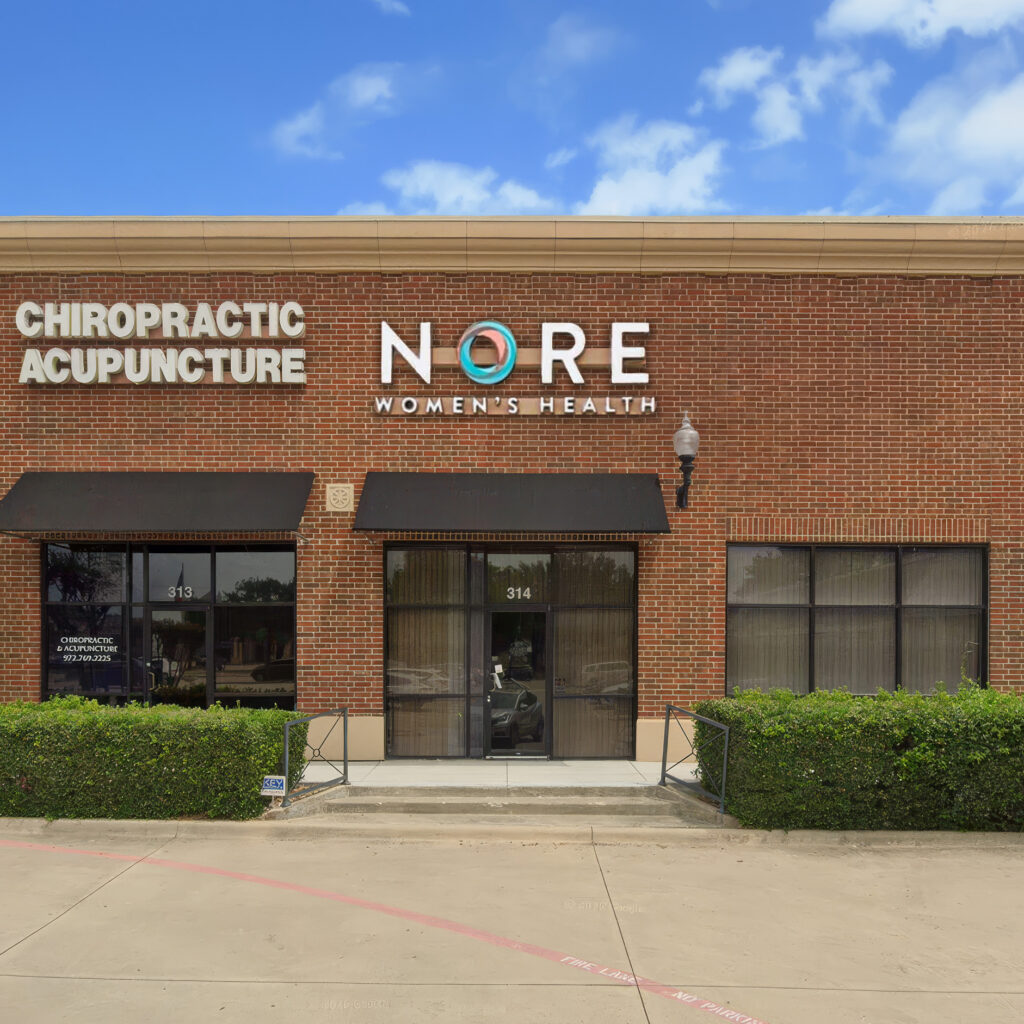
Far North Dallas, TX
First State Bank Plaza
18800 Preston Rd
Suite 314
Dallas, TX 75252
Opening Summer 2026!
We're here to help
We're a different kind of medical practice. We take the time to listen and develop a treatment plan specific to your age-related needs. Have a question or want to request an appointment? Text, call or complete the form.