Diagnosing & Treating Vulvar Disorders

Vulvar Disorder Causes & Treatment Options
Symptoms
Persistent vulvar discomfort may signal a vulvar disorder.
- Itching, burning, or stinging that doesn’t go away
- Pain with sex, tampon use, or pelvic exams
- Dryness, irritation, or soreness, especially in peri‑ and menopause
- Skin changes such as white, thin, crinkled, thickened, or discolored areas
- Burning when urine touches the vulvar skin
- Unusual vaginal discharge that may indicate infection.
If these symptoms last more than a few weeks, interfere with daily life or intimacy, or come with visible skin changes or tears, they should be evaluated.
Causes
- Low estrogen and GSM (Genitourinary Syndrome of Menopause), causing thinning, dryness, and inflammation
- Chronic inflammatory and autoimmune skin conditions such as lichen sclerosus and lichen planus
- Chronic vulvar pain syndromes like vulvodynia and vulvar vestibulitis
- Dermatitis or eczema triggered by irritants, allergens, or ongoing moisture
- Life‑stage changes around childbirth, perimenopause, and menopause (tears, episiotomy issues, hormonal shifts)
Treatment Options
Care is tailored to the specific vulvar disorder and life stage. Treatment options include:
- Topical estrogen for GSM and vulvovaginal atrophy
- High‑potency steroid creams for inflammatory & autoimmune skin conditions
- Medicines for chronic pain and itching, plus topical anesthetics & anti‑inflammatory creams
- Non‑hormonal aids like lubricants and moisturizers, pelvic floor physical therapy
- Surgical options (vestibulectomy or repair of poorly healed tears) when needed
- Guidance on gentle vulvar care, irritant avoidance, lifestyle changes
Understanding Vulvar Disorders
Vulvar disorders affect the external female genital area, including the labia, clitoris, and vaginal opening. These conditions can cause persistent itching, burning, pain, skin changes, irritation, and discomfort during daily activities or sexual intercourse. While they can occur at any age, hormonal changes during the postpartum period, perimenopause, and menopause often increase the risk of developing or worsening vulvar conditions.
Because many vulvar disorders share similar symptoms, an accurate diagnosis is essential. Early evaluation and treatment can relieve discomfort, prevent complications such as scarring or painful intercourse, and improve your overall quality of life.
At Nore Women's Health, we diagnose and treat a wide range of vulvar conditions, including vulvitis, lichen sclerosus, lichen planus, chronic vulvar pain, and other inflammatory or skin disorders affecting the vulva. Our providers perform a comprehensive evaluation to identify the underlying cause of your symptoms and develop a personalized treatment plan that helps restore comfort, protect vulvar health, and improve sexual wellness.
Common Vulvar Disorders
Vulvar disorders include hormonal, inflammatory, dermatologic, and chronic pain conditions. Although many share similar symptoms, each has a different underlying cause and may require a different treatment approach.
Diagnosing Vulvar Disorders
Vulvar symptoms can be uncomfortable, frustrating, and difficult to interpret—especially because different conditions can cause similar symptoms. At Nore Women’s Health, we take a thoughtful, step-by-step approach to understand what may be causing your symptoms.
Your evaluation is tailored to your concerns, medical history, hormonal status, and stage of life. From there, we can identify the most likely cause and recommend a personalized treatment plan.
What to Expect During Your Evaluation
- Medical history
- Physical examination
- Laboratory testing, when appropriate
- Q-tip test to identify areas of pain, when appropriate
- Vulvar biopsy, when indicated
- Additional testing, if needed
Vulvar Disorders: From Postpartum to Menopause & Beyond
Vulvar disorders can arise at any life stage, but they most often show up around childbirth, perimenopause, and menopause, when hormones and tissues are under extra strain. At Nore Women’s Health, our nurse practitioners look at the whole picture how your symptoms started, your birth and hormonal history, and how vulvar changes are affecting daily life to identify what’s going on and guide you to relief. This section explores how vulvar disorders can appear after childbirth and later in life, with more detail available in expandable reveals so you can dive deeper where it matters most.

Vulvar Disorders After Childbirth
After childbirth, it is common to experience temporary soreness, swelling, or tenderness in the vulvar and perineal area. However, ongoing pain, worsening symptoms, or concerns about healing deserve evaluation.
Common Postpartum Vulvar Concerns
- Perineal pain and tenderness
- Healing concerns after a tear or episiotomy
- Vulvar varicosities
- Persistent burning, irritation, or vulvar pain
- Pain during intercourse after childbirth
- Signs that symptoms should be evaluated
At Nore Women's Health, we help distinguish normal postpartum healing from conditions that require treatment so you can recover comfortably and return to your daily activities with confidence.
Vulvar Disorders in Perimenopause
After menopause, lower estrogen levels can make vulvar and vaginal tissues thinner, drier, and less elastic. These changes may contribute to dryness, burning, irritation, and discomfort with intercourse, including symptoms of genitourinary syndrome of menopause (GSM).
Some symptoms may also overlap with conditions such as lichen sclerosus, vulvar dermatitis, or chronic vulvar pain. While many people assume these changes are simply part of aging, effective treatments are available.
At Nore Women’s Health, we identify what may be causing your symptoms and create a personalized treatment plan to help restore comfort and support long-term vulvar health.
Common Menopausal Vulvar Conditions
Menopause-related hormonal changes can affect vulvar and vaginal tissues, contributing to dryness, irritation, skin changes, and discomfort with sex. These symptoms are common and treatable, but new, persistent, or worsening changes should be evaluated.
- Genitourinary syndrome of menopause (GSM)
- Lichen sclerosus
- Vulvar dermatitis
- Chronic vulvar pain
- Pain or discomfort with intercourse
- Recurrent irritation or skin changes
Vulvar Health During and After Menopause
During and after menopause, lower estrogen levels can make vulvar and vaginal tissues thinner, drier, and less elastic. These changes may contribute to dryness, burning, irritation, recurrent urinary symptoms, and discomfort with intercourse.
Some symptoms may also overlap with conditions such as lichen sclerosus, vulvar dermatitis, or chronic vulvar pain. New, persistent, or worsening symptoms should be evaluated, because effective treatment options are available
Common Vulvar Concerns During and After Menopause
Menopause-related estrogen decline can affect vulvar and vaginal tissues, contributing to dryness, irritation, skin changes, and discomfort with sex. These symptoms are common and treatable, but persistent or new changes should be evaluated.
- Genitourinary syndrome of menopause (GSM)
- Lichen sclerosus
- Vulvar dermatitis
- Chronic vulvar pain
- Pain or discomfort with intercourse
- Recurrent irritation or skin changes
- Ongoing dryness, burning, or urinary discomfort after menopause
Treatment Options for Vulvar Disorders
When vulvar symptoms start to interfere with your comfort, intimacy, or daily life, it’s natural to feel worried or frustrated.
Treatment depends on the specific vulvar disorder, the severity of your symptoms, and your stage of life. Our providers create individualized treatment plans designed to relieve symptoms, restore healthy tissue, reduce inflammation, and improve your quality of life
How Nore Women's Health Supports Your Vulvar Health
Vulvar disorders often require more than a prescription to achieve lasting relief. Because symptoms can change with hormonal shifts, skin health, and everyday habits, our providers take a comprehensive approach that combines expert diagnosis, personalized treatment, ongoing monitoring, and practical guidance to help you stay comfortable throughout every stage of life.
At Nore Women’s Health, we provide compassionate, individualized care for women experiencing vulvar symptoms at every stage of life. Our experienced team understands that dryness, irritation, itching, skin changes, and pain or discomfort with intercourse can have many possible causes. We take time to identify what may be contributing to your symptoms and create a personalized treatment plan to help restore comfort and support your overall well-being.
Whether care includes hormone therapy, prescription treatments, vulvar skin-care guidance, pelvic floor support, lifestyle adjustments, or other options, we work closely with you to determine the approach that best fits your needs.
Take control of your menopause journey with personalized support from Nore Women’s Health and start feeling your best at every stage. Reach out to us today by phone or request an appointment to schedule a consultation and begin your path to balanced wellness.
Questions About Menopause Treatment
Care That's Close to Home
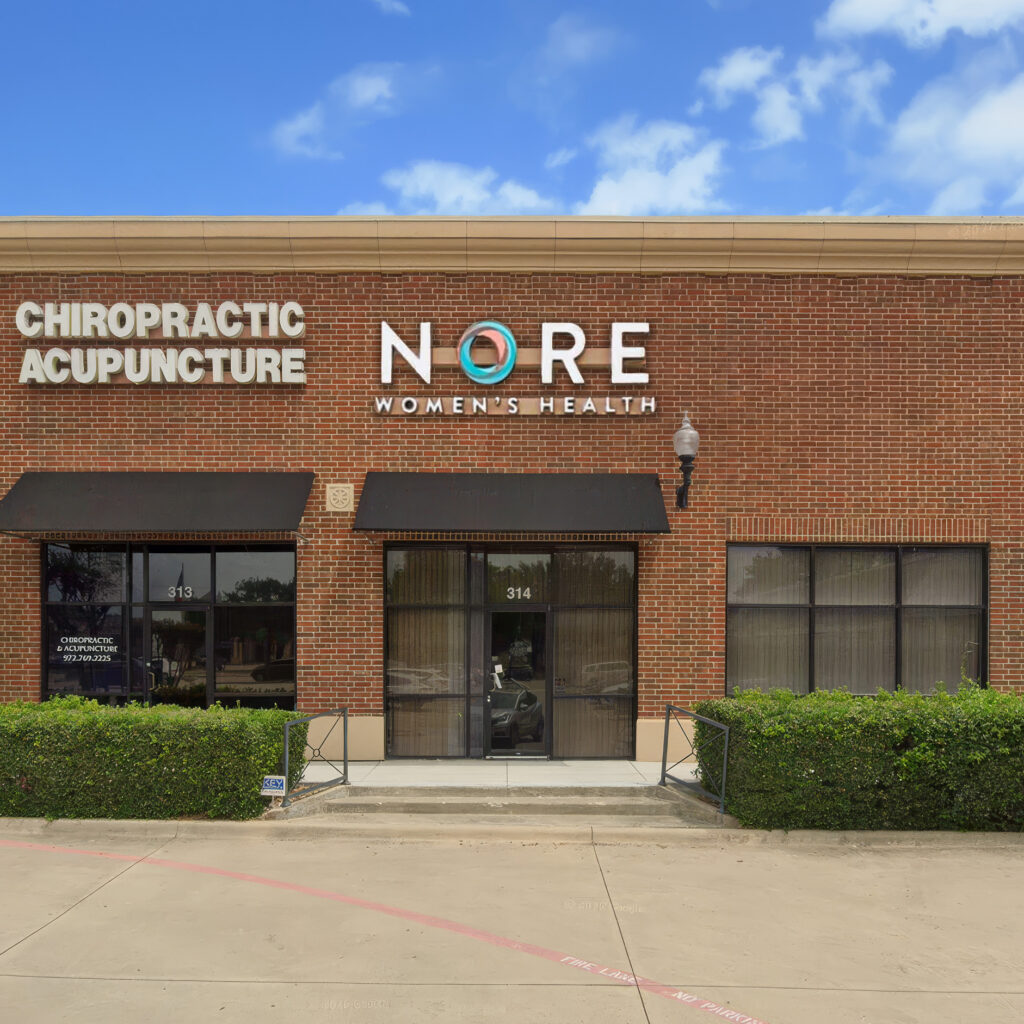
We offer in-person menopause care at multiple locations across North Metro Atlanta and Dallas, Texas. Each clinic provides the same personalized, evidence-based approach so you can choose the location that’s most convenient for you.
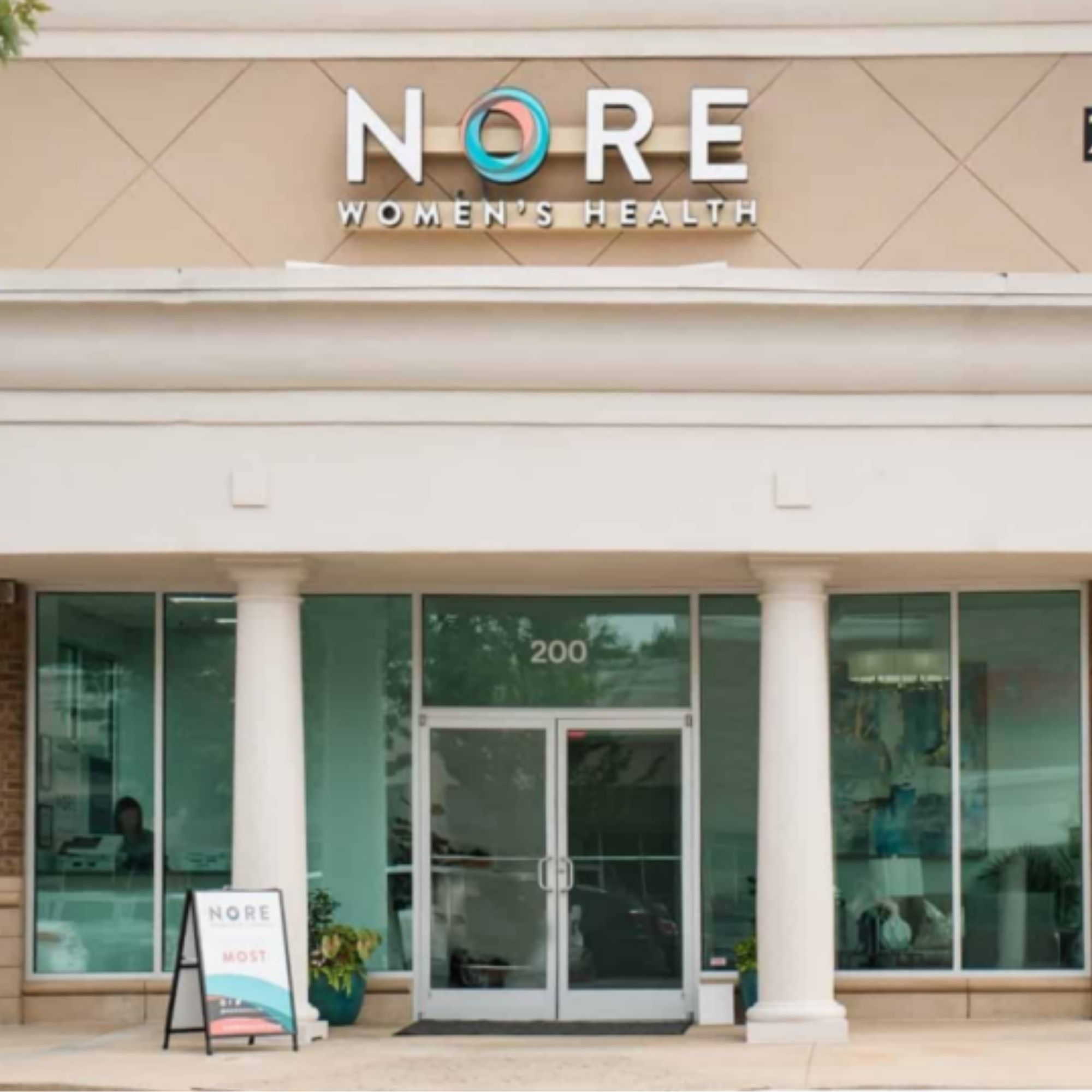

East Cobb, GA
Woodlawn Commons
Medical Center
1121 Johnson Ferry Rd
Suite 340
Marietta, GA 30068

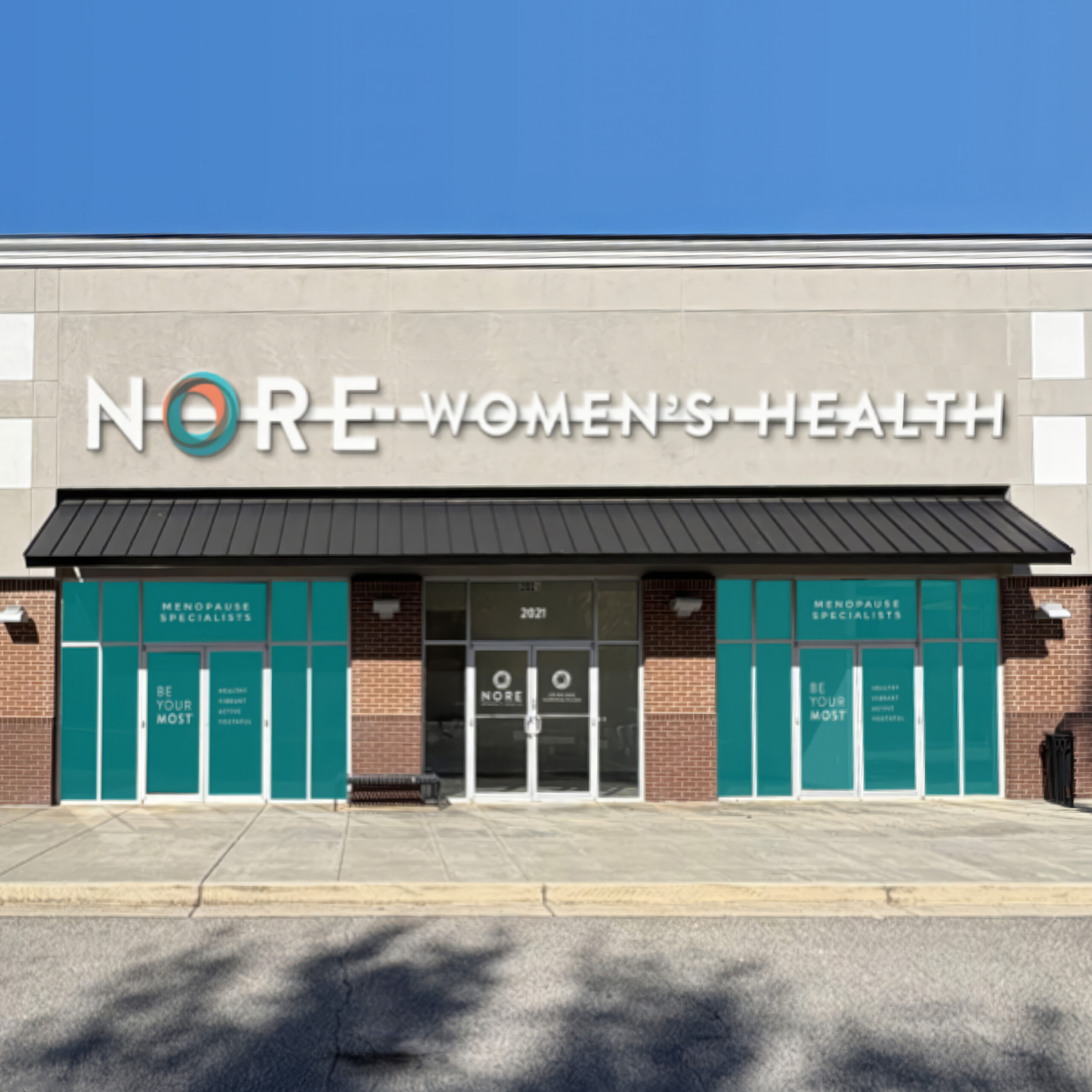
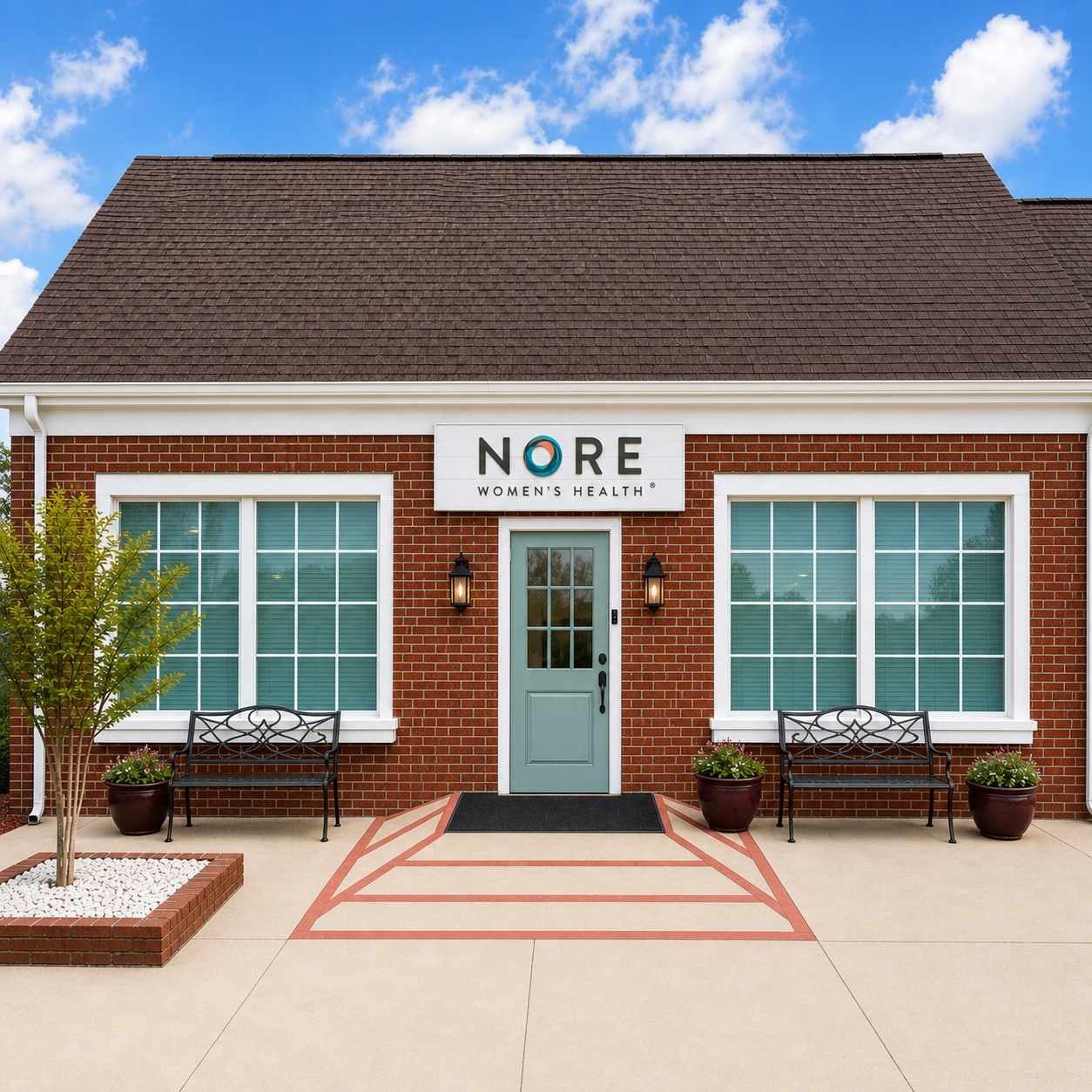
Dunwoody, GA
Dunwoody Village Shopping Center
5471 Chamblee Dunwoody Rd
Dunwoody, GA 30338
Now Open!
We're here to help
We're a different kind of medical practice. We take the time to listen and develop a treatment plan specific to your age-related needs. Have a question or want to request an appointment? Text, call or complete the form.