Menopause is a normal life stage, but the symptoms can feel anything but normal. Hot flashes, night sweats, mood swings, sleep problems, vaginal dryness, weight gain, and low libido can all disrupt your daily life and your sense of self. While medical therapies can be very effective, many women also want to know what they can do at home, naturally, to feel better. Nore Women’s Health offers a range of evidence‑based treatments for menopause, and there are also many lifestyle changes and home remedies that can help you start managing symptoms on your own.
Below are practical, natural strategies you can begin using today to ease common menopause symptoms. These approaches work best when they are consistent habits rather than quick fixes, and they can be combined with medical care when needed for more complete relief.
Use Food as Daily Symptom Management
Hormonal changes during perimenopause and menopause can slow your metabolism, shift fat distribution, and increase your risk for heart disease and osteoporosis. Unwanted weight gain is a challenge almost every woman faces at one point or another, and menopause is one of the most common perpetrators. A strategic, nutrient‑dense eating pattern can help manage weight, stabilize energy and mood, and support bone and heart health.
- Focus on whole, minimally processed foods
Build most meals around vegetables, fruits, lean protein (fish, poultry, eggs, beans, lentils), whole grains, nuts, and seeds. This supports healthy weight, blood sugar control, and stable energy levels throughout the day. - Support bones with calcium and vitamin D
Choose calcium‑rich foods like yogurt, kefir, milk, tofu with added calcium, and leafy greens such as kale and broccoli. Vitamin D from fatty fish (like salmon or sardines), fortified foods, and safe sun exposure helps your body absorb calcium and protect bone density. - Eat for heart and blood sugar health
Reduce simple carbohydrates and added sugars (cakes, candies, sweet drinks) that can worsen weight gain and energy crashes. Emphasize high‑fiber foods (beans, lentils, oats, vegetables) and healthy fats (olive oil, avocado, nuts) to support cholesterol and blood sugar balance. - Consider phytoestrogen‑rich foods
Some women find that foods containing plant estrogens—like soy foods (tofu, tempeh, edamame, soy milk) and ground flaxseed—offer mild relief for hot flashes and support overall hormonal balance. Food‑based sources are preferred over high‑dose supplements, and results vary by individual. - Stay well hydrated
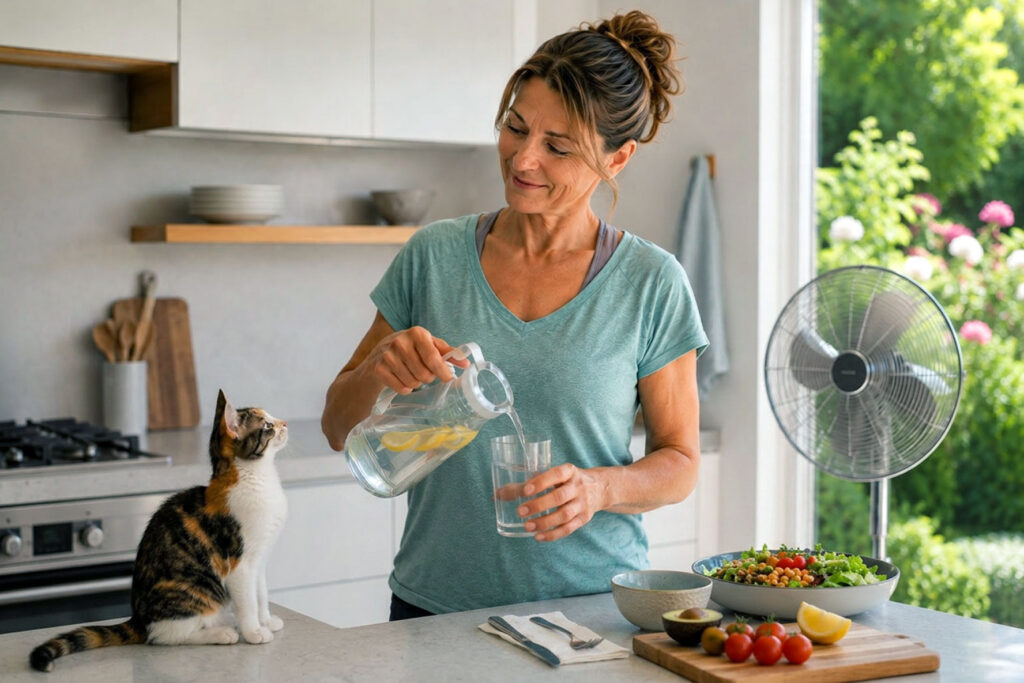
Drinking water regularly can help regulate body temperature, support skin health, and reduce the intensity of some hot flashes. Aim for sipping water across the day and keep a cool drink nearby if you are prone to sudden heat surges.
Planning your meals in advance, even for a few days at a time, makes it easier to stick to this pattern and avoid the last‑minute, sugary or high‑fat choices that can make symptoms worse.
Move Your Body to Ease Hot Flashes, Mood Swings, and Weight Gain
Regular physical activity is one of the most powerful “natural medicines” for menopause. Exercise can help manage weight, reduce the frequency or intensity of hot flashes for some women, improve sleep, and support mood.
- Aim for consistent, moderate activity
Try for at least 30 minutes of activity on most days of the week. Brisk walking, cycling, dancing, or swimming are all excellent choices and can be broken into shorter bouts if needed. - Include strength and weight‑bearing exercises
Strength training (resistance bands, dumbbells, body‑weight exercises) and weight‑bearing activities (walking, light jogging, dancing) help maintain muscle mass and protect bone density, which naturally decline at midlife. - Use movement to support mood and stress relief
Exercise boosts “feel‑good” brain chemicals and can reduce anxiety, irritability, and low mood that often accompany hormonal fluctuations. Even simple changes like taking the stairs, stretching during work breaks, or going for a short walk after meals can make a difference over time.
For women struggling with hot flashes, gradual weight loss in those with higher body weight has been associated with improvement in vasomotor symptoms in some studies, highlighting the value of a combined nutrition and movement approach.
Create a Cooler Environment for Hot Flashes and Night Sweats
Hot flashes and night sweats are classic menopause symptoms and can be very disruptive. Simple, at‑home adjustments can make these episodes more manageable.
- Dress and layer strategically
Wear light, breathable fabrics such as cotton or moisture‑wicking materials, and dress in layers that you can easily remove when a hot flash begins. At night, choose lightweight sleepwear and cooling, breathable sheets. - Keep your bedroom cool
Use a fan, adjust the thermostat, or open a window to keep your sleep environment cooler. Cooling pillows, mattress toppers, or gel pads can also help reduce heat buildup while you sleep. - Identify and avoid personal triggers
Common triggers include spicy foods, hot drinks, caffeine, alcohol, and smoking. Tracking your hot flashes in a journal can help you recognize patterns and avoid triggers that seem to make your symptoms worse. - Use cold, not just cool, strategies
Keep a glass of ice water nearby, use a cool washcloth on your neck or wrists, or step into a cooler room when you feel a flash coming on. These quick responses can shorten the duration or intensity of episodes for some women.
These small environmental tweaks can significantly improve day‑to‑day comfort, especially when combined with stress management and sleep hygiene.
Support Better Sleep Naturally
Falling estrogen and progesterone, plus night sweats and mood changes, can make restorative sleep harder to achieve. Improving “sleep hygiene” and bedtime routines can make a meaningful difference.
- Set a consistent sleep‑wake schedule
Try to go to bed and wake up at about the same time every day, including weekends. This helps regulate your body clock and can improve the quality of your sleep over time. - Build a calming bedtime routine
For 30–60 minutes before bed, shift to relaxing activities: light stretching, yoga, reading, listening to calming music, or a guided meditation. Avoid heavy meals, intense exercise, and work emails right before bed. - Make your bedroom a “sleep‑only” zone
Keep the room cool, dark, and quiet when possible. Limit screens in bed and avoid scrolling on your phone, since blue light and mental stimulation can keep your brain “on” when you need it to wind down. - Combine cooling strategies with relaxation
If night sweats wake you, try breathable bedding, layered blankets you can peel back, and cotton or moisture‑wicking sleepwear. Pair this with relaxation techniques such as slow breathing to help you fall back asleep more easily.
When insomnia or sleep disruption is severe, cognitive behavioral therapy for insomnia (CBT‑I) is a non‑medication approach that has strong evidence and can often be done via telehealth.
Manage Stress and Support Your Mental Wellbeing
Hormonal fluctuations can amplify anxiety, irritability, and mood swings, and stress tends to intensify many physical menopausal symptoms, from overactive bladders, to hot flashes. Intentional stress‑reduction practices can help you feel more grounded and resilient.
- Practice mind–body techniques
Yoga, tai chi, stretching, and mindful breathing can help calm the nervous system, improve body awareness, and support better sleep. Even a few short sessions during the day or a brief practice before bed can be helpful. - Try relaxation and mindfulness tools
Guided meditation, progressive muscle relaxation, journaling, or simple breathing exercises are accessible, low‑cost methods to ease stress. These techniques may also reduce the perceived intensity of hot flashes for some women. - Consider talk therapy or CBT
Cognitive behavioral therapy (CBT) has been shown in studies to help reduce the distress caused by hot flashes and improve mood in menopause. It can give you practical tools to reframe unhelpful thoughts and cope with physical symptoms more effectively. - Build a support system
Talking openly with friends, family members, or support groups, online or in person, can lessen the emotional load of going through menopause. Feeling understood and validated often makes symptoms feel more manageable.
Protecting your mental health is an essential part of menopause care, not an optional extra. Small, consistent steps to reduce stress can positively influence both your emotional and physical symptoms.
Consider Targeted Natural Supports and Supplements (With Guidance)
Some women explore natural therapies such as herbal supplements or specific nutrients for symptom relief. While some show promise, their safety and effectiveness can vary, and they may interact with medications.
- Commonly used options
Examples that have been studied include black cohosh, red clover, soy isoflavones, ground flaxseed, vitamin E, evening primrose oil, and certain herbal blends for mood or sleep. Some women also use magnesium, vitamin D, and omega‑3 fatty acids to support sleep, mood, or bone health. - Approach supplements with caution
“Natural” does not always mean safe, and quality can vary widely among products. Research is mixed for many menopause supplements, and lifestyle measures often have more reliable benefits. - Always check with your clinician
Before starting any supplement—especially if you have other medical conditions or take prescription medications—talk with a clinician who understands both menopause and your health history. They can help you weigh potential benefits against risks and tailor a plan to you.
These options can sometimes complement lifestyle strategies, but they work best as part of a broader, personalized plan rather than as a stand‑alone “fix.”
When to Seek Professional Menopause Care
Natural, at‑home strategies can meaningfully reduce menopause symptoms, and many women feel better when they combine several of the approaches above. However, you do not need to face significant symptoms alone, and there is no prize for “toughing it out.” If your hot flashes, sleep problems, mood changes, vaginal dryness, low libido, or bladder symptoms are affecting your daily life, relationships, or work, it may be time for more targeted care.
At Nore Women’s Health, we specialize in comprehensive menopause support. We can help you:
- Clarify whether you are in perimenopause or menopause
- Review your current lifestyle and home treatments
- Discuss non‑hormonal and hormonal options based on your health history
- Address specific concerns like weight gain, low libido, overactive bladder, or vaginal dryness
Together, we can build a plan that combines natural, at‑home strategies with the right medical treatments so you can feel more like yourself again during menopause and beyond.
Locations
We welcome you to any of our beautiful offices — choose the location that’s most convenient for you.
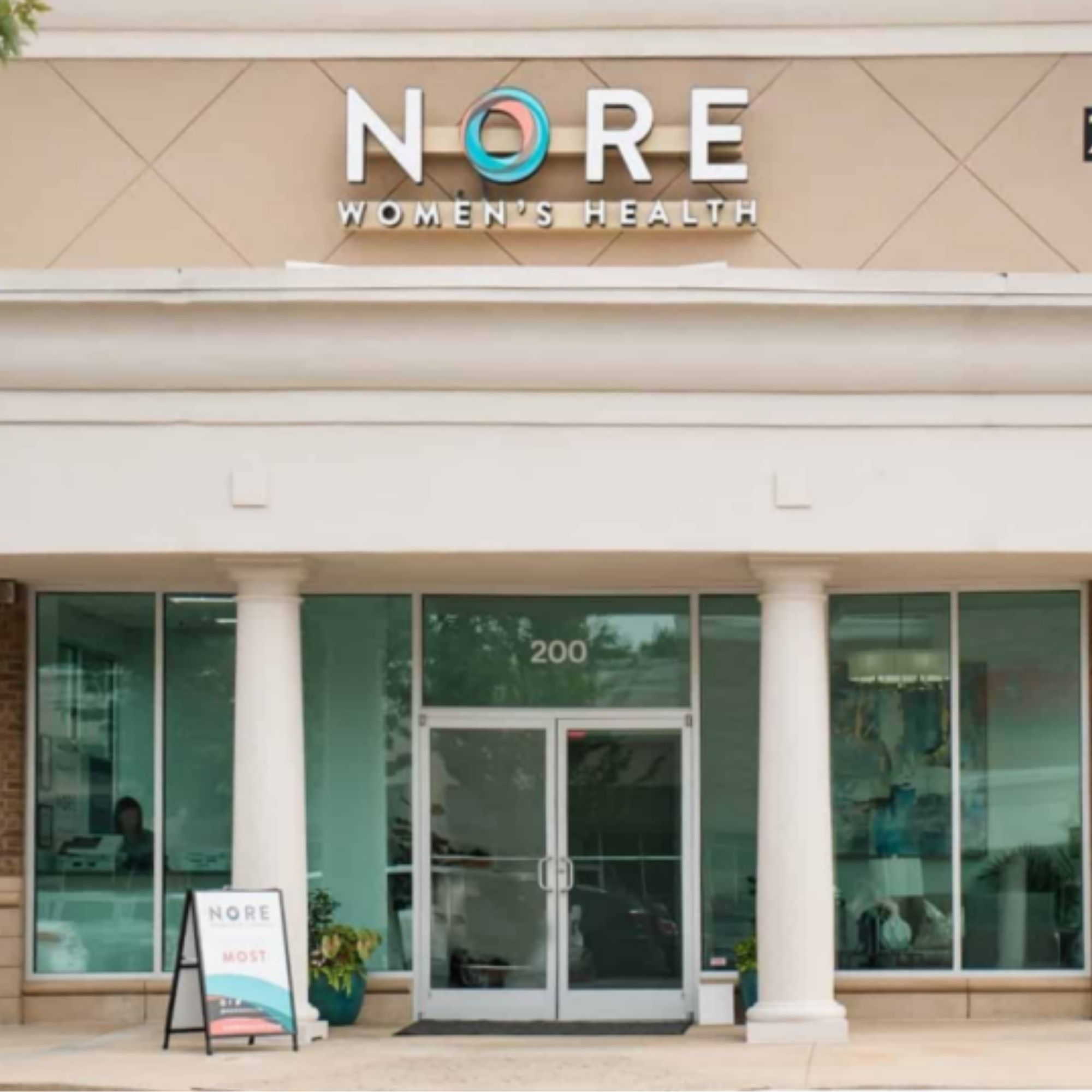

East Cobb, GA
Woodlawn Commons
Medical Center
1121 Johnson Ferry Rd
Suite 340
Marietta, GA 30068

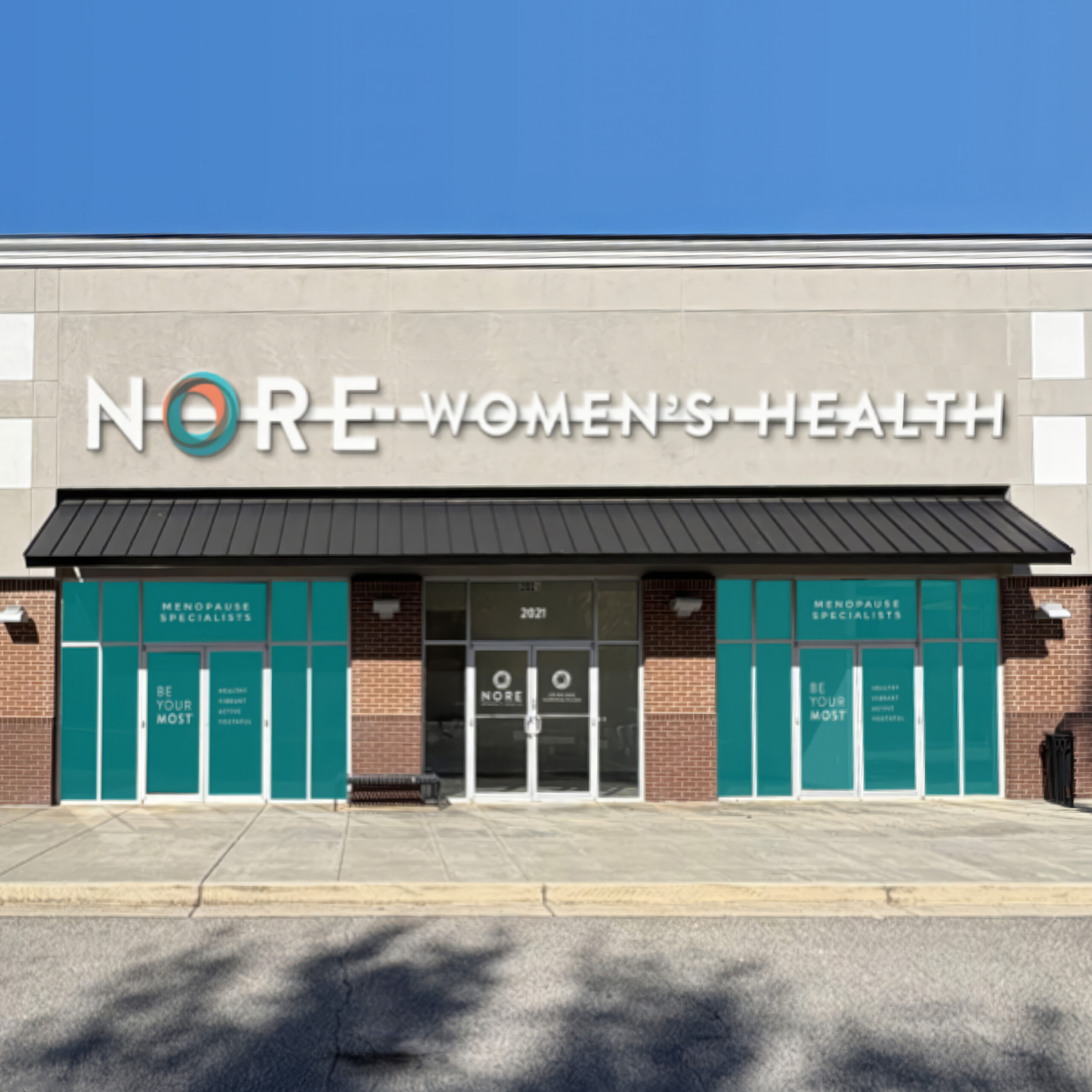
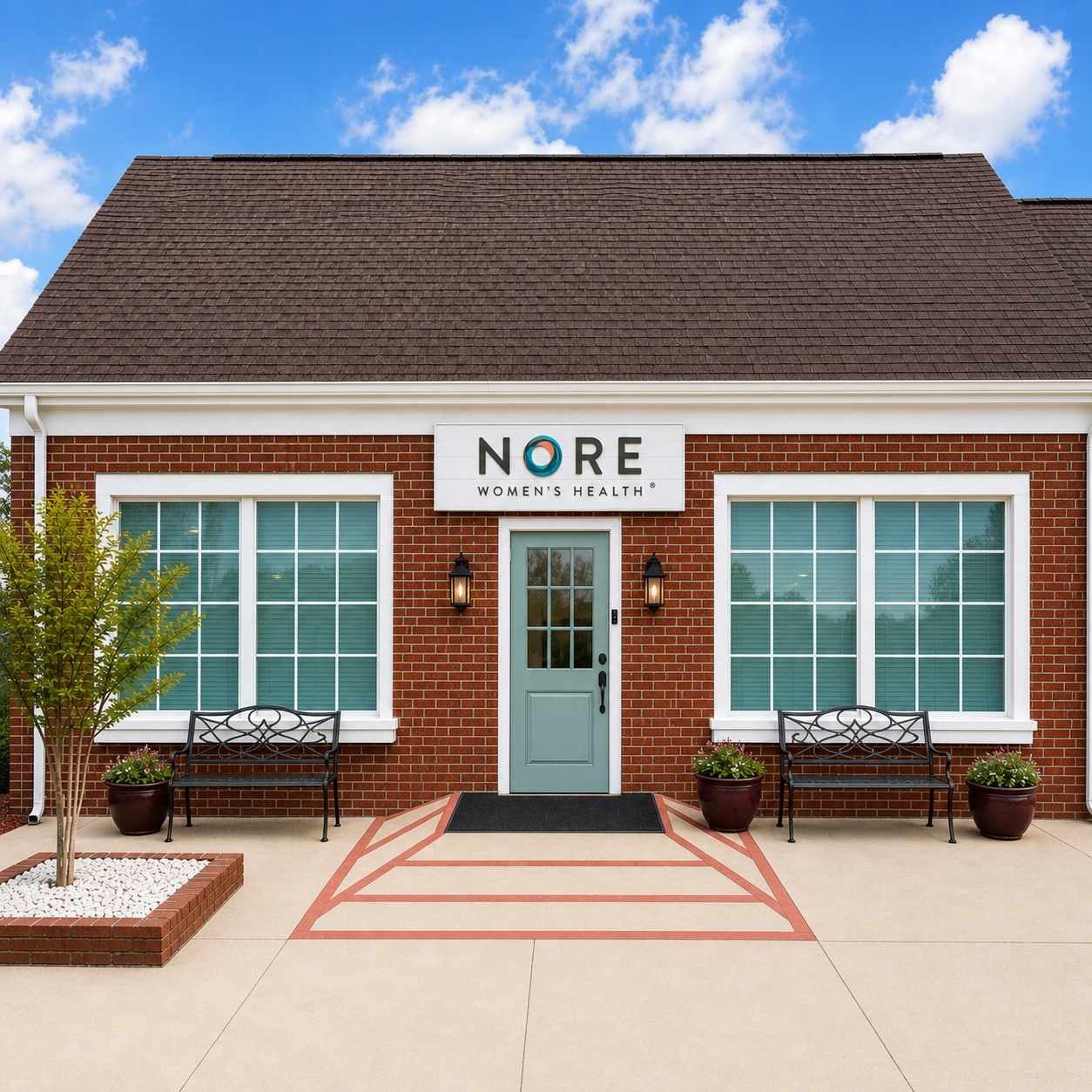
Dunwoody, GA
Dunwoody Village Shopping Center
5471 Chamblee Dunwoody Rd
Dunwoody, GA 30338
Now Open!