
What We’re Reading with Julie Morin, WHNP
In my work with women navigating perimenopause and menopause, I see how often people arrive with questions they have been carrying alone for far too long.
They may be dealing with sleep disruption, hot flashes, mood changes, brain fog, painful sex, changes in bleeding, weight changes, or simply a feeling that their body no longer feels familiar. Too often, they have been told that these experiences are just something to tolerate—or they have not been given clear information, time to talk through their symptoms, or care that considers the full picture.
That is why I was encouraged to see national attention turn to menopause through Congress’s first-ever hearing focused specifically on this stage of life.
What Congress Discussed
On September 16, the U.S. Senate Special Committee on Aging held the first-ever congressional hearing focused specifically on menopause, led by Committee Chairman Senator Rick Scott of Florida and Ranking Member Senator Kirsten Gillibrand of New York.
The hearing’s title: “Half the Country, Zero Hearings: Meeting the Moment to End the Menopause Care Gap in America”, reflects the central issue: menopause affects a substantial portion of the population, yet it has historically received limited policy attention compared with its impact on health, work, relationships, and quality of life.
Senators Gillibrand and Scott also made a bipartisan request for the Government Accountability Office to examine how the federal government coordinates and funds menopause research and care, including the role of evidence-based treatments and existing programs.
Why This Deserves Attention
Menopause is a normal life transition, but “normal” does not mean insignificant.
Symptoms can affect physical comfort, sleep, sexual health, mood, concentration, daily functioning, and overall well-being. For some women, symptoms are mild. For others, they can be disruptive for years. There is no single menopause experience, and there is no one-size-fits-all approach to care.
National attention does not replace an individual clinical visit. But it can help move menopause out of the margins by supporting:
- More rigorous research on menopause and its treatments.
- Better education for clinicians across specialties.
- More consistent access to evidence-informed care.
- Greater workplace awareness and support.
- More open, compassionate conversations at home and in healthcare settings.
My Clinical Perspective
What stands out to me most is the recognition that menopause deserves to be treated as a meaningful health transition—not a punchline, a private inconvenience, or something women should simply “push through.”
When I meet with patients, the goal is not to reduce menopause to one symptom or one treatment decision. It is to understand the whole person and the way symptoms are affecting her life.
That may mean talking about sleep and hot flashes. It may include mood changes, sexual health, bleeding changes, brain fog, medical history, medications, stress, work demands, or the health goals that matter most to her.
Some people may benefit from hormone therapy; others may not be candidates for it or may prefer nonhormonal approaches. There are also lifestyle strategies, symptom-specific treatments, and other supportive options to consider. The appropriate plan depends on the individual’s symptoms, medical history, preferences, risks, and goals.
What This May Mean for Women
A congressional hearing will not solve the menopause care gap on its own. But it is a meaningful signal that menopause is increasingly being recognized as a health issue worthy of serious attention, investment, and informed discussion.
My hope is that this attention leads to something practical: better research, better training, better access to care, and fewer women feeling dismissed, confused, or alone in what they are experiencing.
If menopause symptoms are affecting your quality of life, you deserve a conversation with a qualified clinician who listens, takes your concerns seriously, and helps you understand your options.
—Julie Morin, WHNP
Founding Provider, Nore Women’s Health
📖 Read the complete article
The New York Times
As Midterms Rage, Gillibrand Wants Congress to Talk Menopause
September 14, 2026
Read the New York Times article
Following the hearing: The Senate hearing took place September 16, 2026.gillibrand.senate
Following the hearing, Senators Kirsten Gillibrand and Rick Scott made a bipartisan request for the Government Accountability Office to review how the federal government funds and coordinates menopause research and care. The review will examine gaps in research, treatment access, clinician training, and menopause education. Witnesses also pointed to existing federal bills intended to expand research on menopause and midlife women’s health. No new menopause-specific law was announced or enacted at the hearing
Other Coverage of the Congressional Menopause Hearing
Fortune
September 14
This is particularly relevant because Fortune explicitly references the New York Times reporting and discusses Gillibrand’s decision to devote her hearing to menopause, federal research funding, medical training, and the broader push to make midlife women’s health a national policy issue.
https://fortune.com/2026/09/14/congress-first-hearing-menopause-gillibrand-senate-committee-aging
The 19th
September 17
The 19th is especially useful for Nore because it specializes in gender, health and public-policy reporting.
https://19thnews.org/2026/09/congress-hearing-menopause-gillibrand/
Femtech Insider
September 18
This coverage gets much more directly into the menopause care gap, physician education, research funding and hormone therapy
https://femtechinsider.com/congress-holds-first-menopause-hearing-calls-for-action-on-care-gap
Flow Space
September 18:
“Congress Held Its First-Ever Hearing on Menopause. Here’s What Happened.” This is another women’s-health-oriented publication covering the testimony and menopause care gap.
https://www.theflowspace.com/interpersonal-health/access-equity/congress-menopause-hearing-3044499/
About Julie Morin, WHNP
Julie Morin is the founding provider of Nore Women’s Health. A Women’s Health Nurse Practitioner, she has cared for women through menopause and midlife transitions since opening the practice in 2018.
This article is for educational purposes only and is not a substitute for individualized medical advice. Please speak with a qualified healthcare professional about your personal health needs.
~~~
At Nore Health, we’re committed to sharing trusted resources and evidence-based information that empowers women to make informed decisions about their health.
Locations
We welcome you to any of our beautiful offices — choose the location that’s most convenient for you.
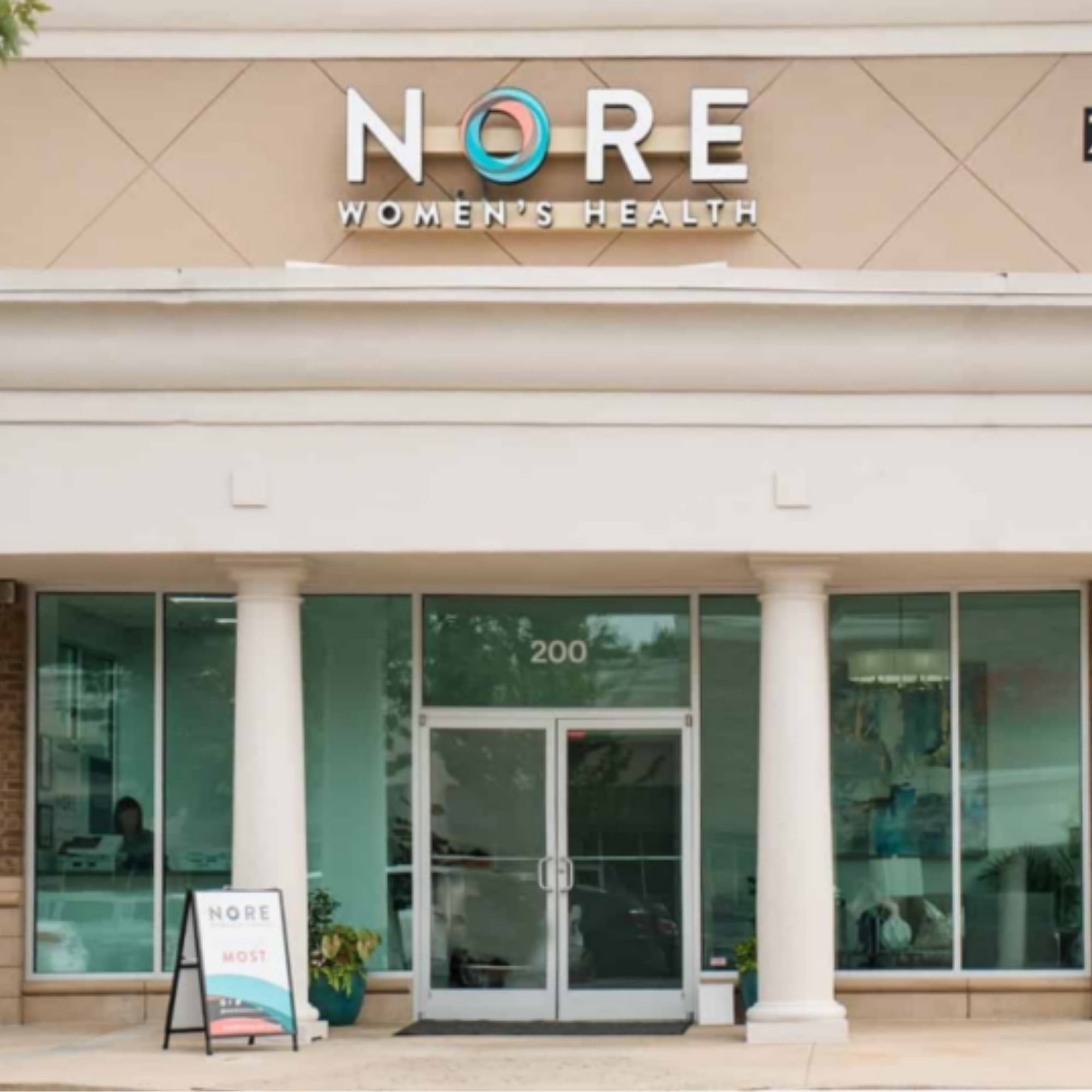

East Cobb, GA
Woodlawn Commons
Medical Center
1121 Johnson Ferry Rd
Suite 340
Marietta, GA 30068

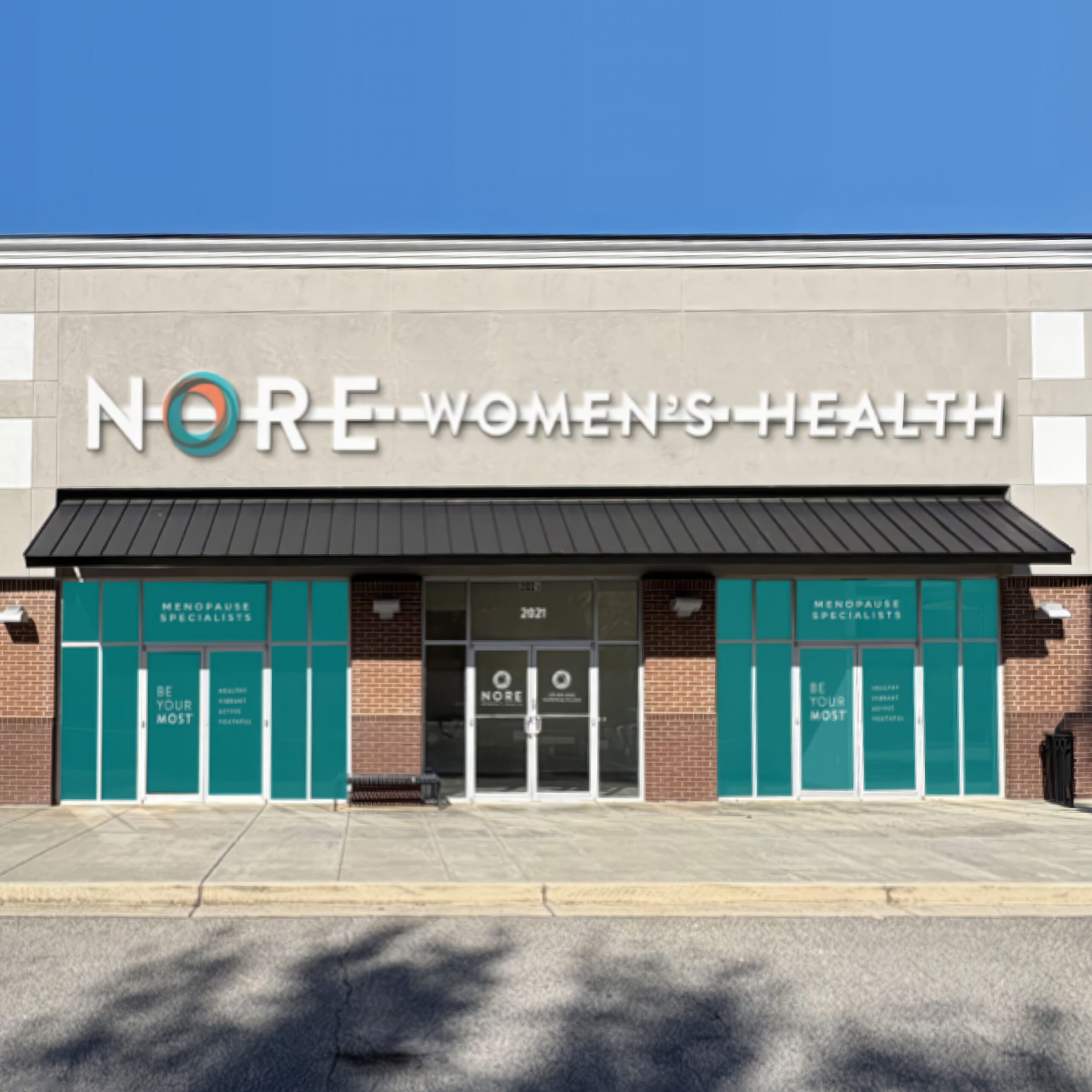

Dunwoody, GA
Dunwoody Village Shopping Center
5471 Chamblee Dunwoody Rd
Dunwoody, GA 30338
Now Open!